

Why Internet Culture Makes Anxiety Worse
The internet was supposed to make life easier. Faster communication. Endless information. Cat videos available at 2 a.m. for emotional support. Somehow, though, many people now feel mentally fried after spending hours online. Anxiety thrives in modern internet culture because the brain never gets a real break. Every app wants attention like an overcaffeinated game show host screaming your name. Notifications buzz. News updates explode every ten seconds. Somebody on social media is always richer, fitter, happier, or apparently making homemade pasta in a kitchen bigger than your apartment.

Your Brain Was Not Built for Constant Alerts
Humans evolved to respond to occasional threats. A loud sound in the forest mattered because it might be dangerous. Today, your nervous system reacts to email pings and message alerts with similar urgency. Each notification creates a tiny spike in stress hormones. One buzz is harmless. Hundreds per day? Different story. Your brain stays on standby like a security guard working a double shift.
This constant stimulation affects concentration, too. People switch tasks rapidly online, which drains mental energy. You open one video, then three tabs, then a comment section, then suddenly you’re reading conspiracy theories about bread ingredients at midnight. That scattered attention increases mental fatigue. Exhausted brains tend to become more anxious. It’s like trying to drive a car after the fuel light has been flashing for hours.
Social Media Turns Comparison Into a Full Time Job
Comparison has always existed. The internet simply turned it into a 24-hour broadcast. Now people compare careers, relationships, vacations, skin texture, and breakfast choices before finishing their coffee. The brain quietly absorbs these comparisons even when people think they are “just scrolling.” Somebody posts gym selfies with perfect lighting, and suddenly your normal body feels disappointing for no logical reason. A lot of online content also skips reality. You see the highlight reel, not the panic attack before filming or the argument behind the smiling couple photo. But emotionally, the brain still reacts as if everyone else has life figured out.
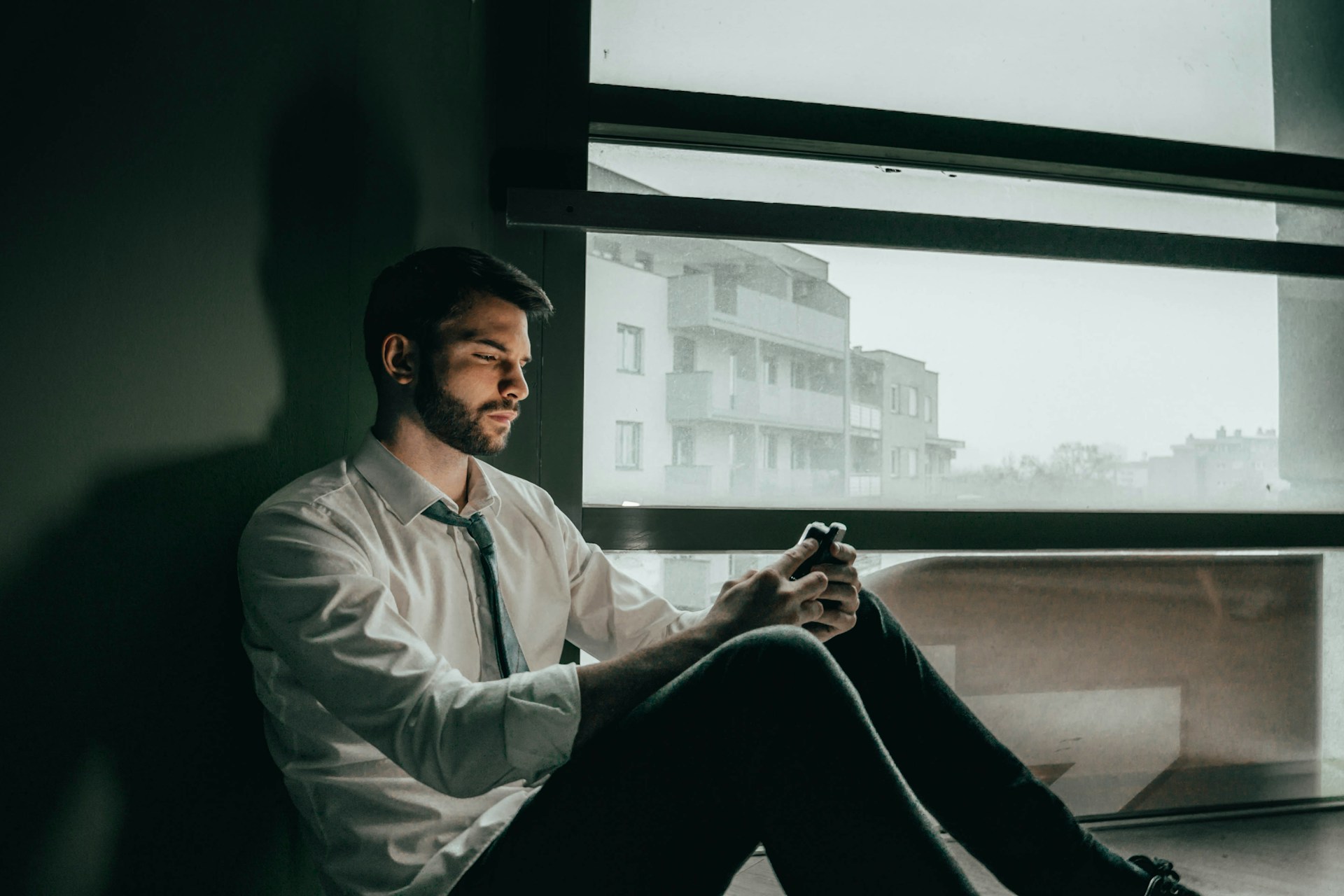
Doomscrolling Keeps the Nervous System Stuck
Here’s something wild. The brain naturally pays more attention to threats than positive information. Psychologists call this negativity bias. The internet exploits it beautifully. Bad news spreads faster because it grabs attention instantly. One minute you check the weather. Fifteen minutes later, you’re reading terrifying headlines while your shoulders creep closer to your ears. Doomscrolling keeps the body in a mild fight-or-flight state. Heart rate rises slightly. Muscles tense. Sleep quality drops later that night because the brain still feels alert. And yes, people know it feels terrible. They still keep scrolling. That’s because uncertainty makes humans crave more information, even when the information increases stress.
Small Digital Habits Can Calm the Brain
Thankfully, anxiety does not own your nervous system permanently. Small changes help more than people expect. Turning off nonessential notifications reduces mental interruptions fast. Your phone does not need to announce every sale, meme, or random comment like breaking national news. Setting app limits also matters. Even thirty minutes away from constant scrolling gives the brain space to reset. Many people notice calmer thoughts after spending more time outside, exercising, or having actual face-to-face conversations. Another underrated trick? Stop consuming stressful content before bed.…